

New Exmark Video Explains The Benefits of Lawn Aeration
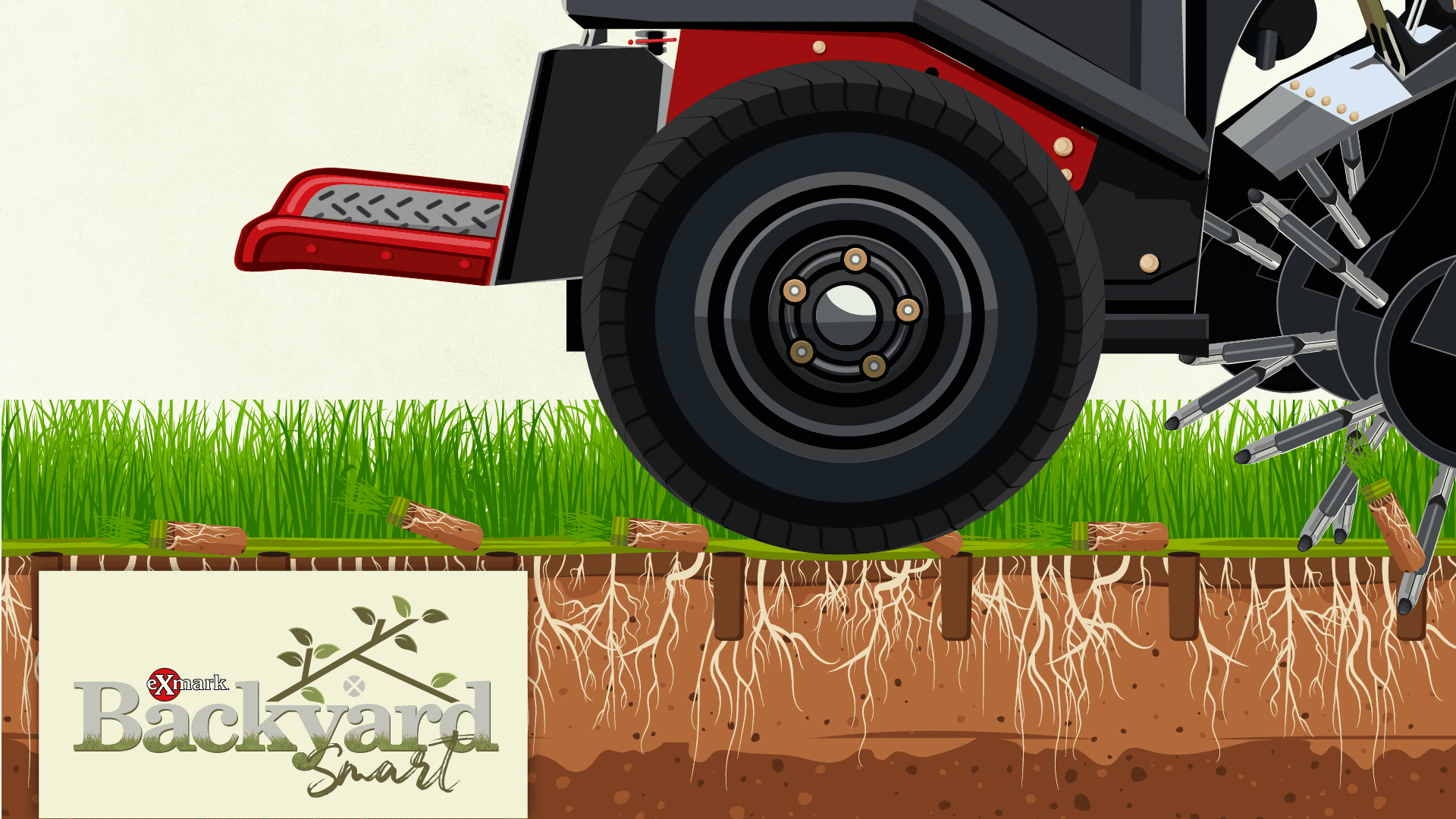
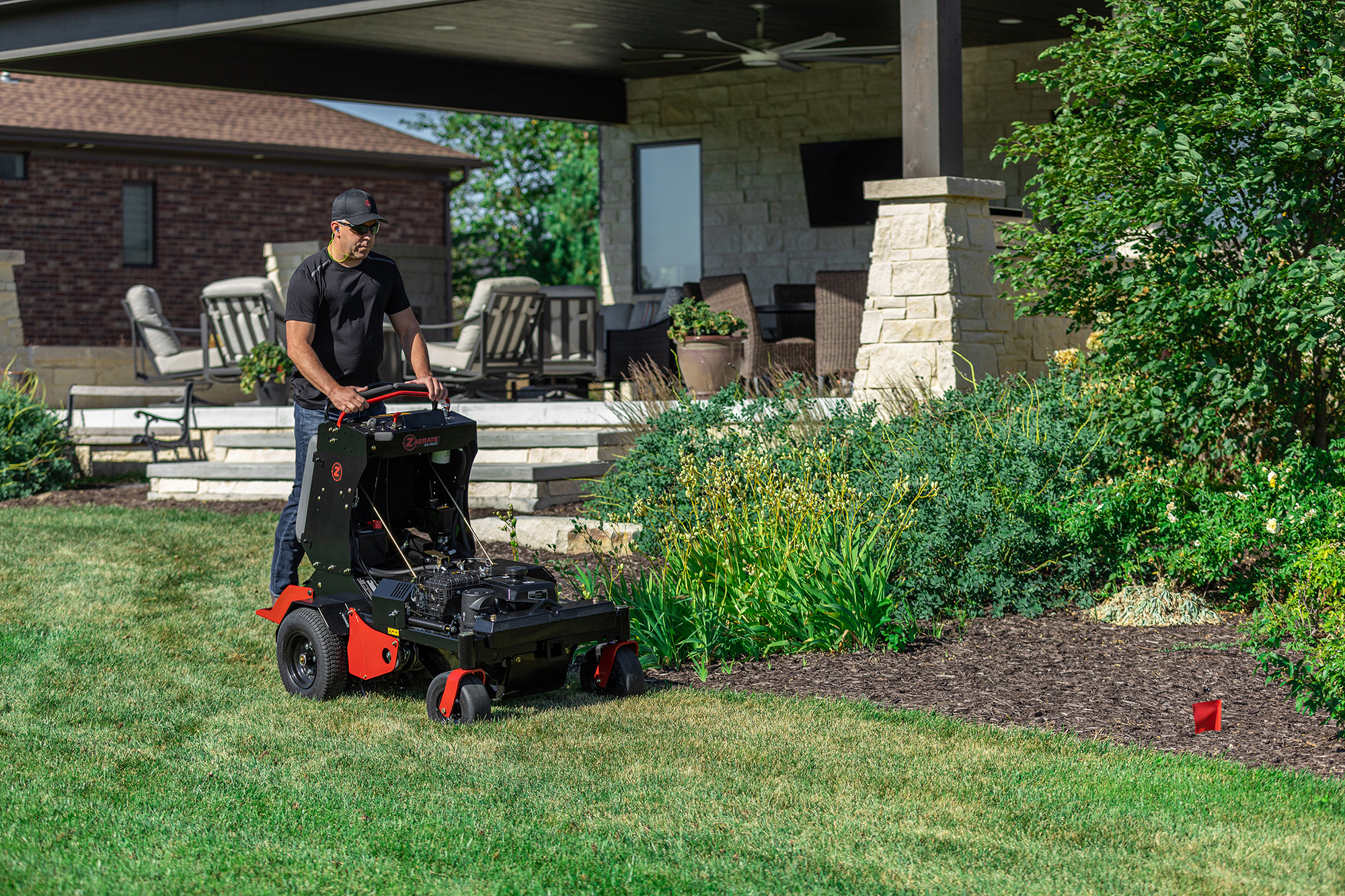
Annual lawn aeration lets air, water and nutrients more easily reach the roots of the turf.
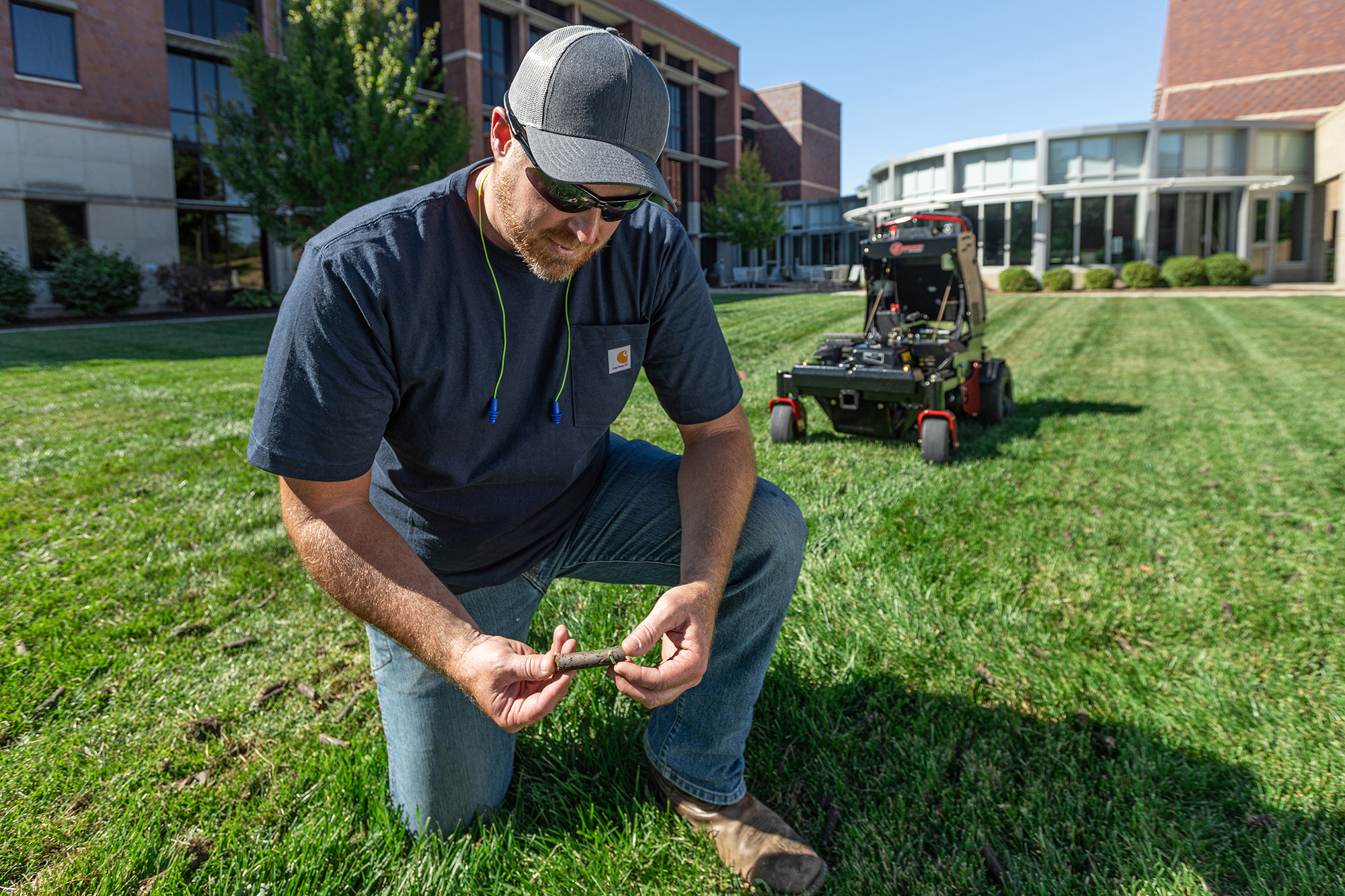
Core aeration pulls plugs of soil and turf out to reduce soil compaction.
Annual core aeration is essential to the health and vitality of the lawn
BEATRICE, NE, UNITED STATES, April 2, 2026 /EINPresswire.com/ -- The lawn is an essential component of great outdoor living, but compaction from a season of fun can leave turf struggling to get the essentials it needs to thrive. With this in mind, Exmark recently introduced a new episode of its Backyard Smart video series that helps homeowners understand the benefits of lawn aeration.
According to Exmark Marketing Manager, Lenny Mangnall, aeration helps relieve compaction from mowing, foot traffic, pets, backyard games and more.
“When soil gets compacted, it makes it difficult for critical air, water and nutrients to reach the roots of the turf,” Mangnall said. “This weakens the turf and invites water pooling and erosion, and it also makes it easier for invasive weeds and pests to move in.
“Without aeration, the lawn won’t be able to thrive, no matter how much effort the homeowner puts into fertilizing, watering and mowing.”
Benefits of aeration include stronger roots, increased water and nutrient uptake, with reduced thatch buildup. This enables thicker, greener, more uniform turf growth.
There are two primary types of aeration, and while both core and spike aeration seek to relieve compacted soil, core aerators offer superior results. The difference is in the process. Spike aeration uses solid tines to poke holes in the ground. Since the spikes don’t remove any soil, they simply push soil downward and outward, further compacting the surrounding soil.
Alternatively, core aeration removes entire plugs of soil, opening channels for air, water and nutrients to reach the turf foots. The dispersed plugs break down naturally on the lawn, reintroducing beneficial nutrients back into the turf.
It’s important to aerate annually when the turf is actively growing. Timing depends on the turf type. Warm season grasses including Bermuda, zoysia and centipede are best aerated in the late spring and early summer, when the turf growth is at its peak. For best results, follow up with fertilization or top dressing.
For cool season turf varieties such as fescue, bluegrass and ryegrass, early fall is the best time to aerate, but spring is acceptable as well. It’s important to avoid aerating during summer stress and winter dormancy. Overseed the lawn following aeration to promote thick, healthy turf growth.
Watch the “Backyard Smart: Benefits of Aeration” video and read the included Lawn Aeration FAQs, on the Exmark Backyard Life website. In addition to the Backyard Smart videos, the site hosts a wide range of other outdoor living related content and Exmark Original Series videos.
# # #
Matt Gersib
Exmark
+1 402-314-2150
email us here
Visit us on social media:
Instagram
Facebook
YouTube
X
Backyard Smart: The Benefits of Aeration
Legal Disclaimer:
EIN Presswire provides this news content "as is" without warranty of any kind. We do not accept any responsibility or liability for the accuracy, content, images, videos, licenses, completeness, legality, or reliability of the information contained in this article. If you have any complaints or copyright issues related to this article, kindly contact the author above.
