Why AC EV Chargers Are Dominating the EV Infrastructure Market: A 2026 Industry Analysis
DEYANG, SICHUAN, CHINA, April 2, 2026 /EINPresswire.com/ -- As the global transition toward electric mobility accelerates, the EV infrastructure market is undergoing rapid transformation. Among the various charging technologies available, AC EV chargers are increasingly emerging as the dominant solution in residential, commercial, and workplace charging scenarios. Their cost-effectiveness, ease of installation, and compatibility with widespread electrical systems make them a preferred choice for both users and infrastructure developers. This 2026 industry analysis explores the key factors behind the growing dominance of AC EV chargers and highlights the role of leading manufacturers such as Sichuan Injet New Energy Co., Ltd., a key player in the EVSE (Electric Vehicle Supply Equipment) industry.
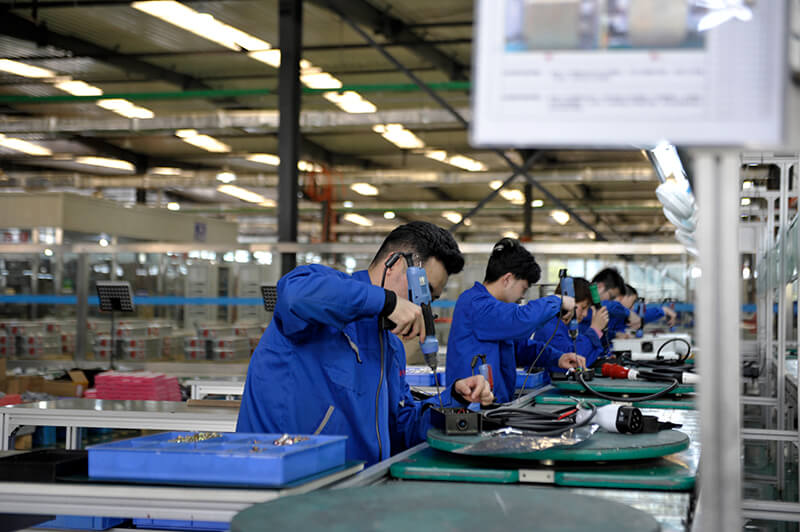
Sichuan Injet New Energy Co., Ltd., a wholly-owned subsidiary of Sichuan Injet Electric Co., LTD., leverages 27 years of industrial experience and a strong technical foundation to develop advanced EV charging solutions. The company specializes in the manufacturing, design, and development of EVSE modules, including both AC and DC charging systems. With over 50 design patents and a global presence across dozens of countries, INJET New Energy continues to deliver reliable, standardized, and customizable charging solutions under its AC EV charger product lines such as Swift, Sonic, Cube, Nexus, Blazer, and Vision series.
1. Rising Demand for AC EV Chargers in Global Markets
The rapid adoption of electric vehicles has created a strong demand for accessible and scalable charging infrastructure. AC EV chargers are particularly well-suited for this demand due to their compatibility with existing power grids and their suitability for overnight and long-duration charging.
In residential environments, AC chargers are widely used because they can be easily installed in homes, apartment complexes, and parking facilities without requiring significant electrical upgrades. In commercial settings, such as offices, shopping centers, and public parking areas, AC charging stations provide a practical and cost-efficient solution for daily charging needs.
INJET New Energy has contributed to this growth by offering a comprehensive range of AC EV chargers designed to meet different power requirements and installation environments, ensuring flexibility for global customers.
2. Cost Advantages Driving Market Adoption
One of the primary reasons AC EV chargers dominate the market is their lower installation and operational cost compared to DC fast chargers. AC charging infrastructure typically requires less complex electrical systems, reducing both upfront investment and maintenance expenses.
For businesses and municipalities, this cost advantage makes AC chargers a scalable solution for building widespread charging networks. It allows operators to deploy a larger number of charging points within the same budget, increasing accessibility for EV users.
INJET New Energy’s AC charger series is engineered to balance affordability with performance, making it an attractive option for OEM and ODM clients seeking reliable and cost-effective charging solutions.
3. Compatibility with Existing Electrical Infrastructure
AC EV chargers are highly compatible with standard electrical grids, which significantly simplifies deployment. Unlike DC fast chargers that require high-capacity power supply and grid upgrades, AC chargers can operate using existing residential and commercial power systems.
This compatibility reduces the barriers to entry for EV infrastructure development, enabling faster deployment in urban and suburban areas. It also supports decentralized charging networks, where users can install chargers at home or workplaces.
INJET New Energy’s AC EV chargers are designed to meet international standards such as Energy Star, UL, CE, and GB/T, ensuring seamless integration into different regional power systems while maintaining safety and efficiency.
4. Versatility Across Application Scenarios
AC EV chargers are highly versatile and can be deployed across a wide range of scenarios:
Residential home charging
Workplace charging stations
Commercial parking facilities
Fleet charging operations
Public charging infrastructure
Their adaptability allows them to serve as the backbone of EV charging networks. In many cases, AC chargers are used as primary charging solutions, while DC fast chargers are reserved for high-speed charging needs along highways and transit hubs.
INJET New Energy’s product portfolio reflects this versatility, offering multiple AC charger series tailored for different environments, from compact residential units to robust commercial-grade stations.
5. Technological Advancements Enhancing AC Charging
Modern AC EV chargers are no longer simple power delivery devices. They now incorporate advanced features such as smart connectivity, remote monitoring, load management, and integration with energy management systems.
These features enable operators to optimize charging efficiency, monitor usage patterns, and manage energy distribution effectively. Smart AC chargers can also be integrated into IoT platforms, allowing real-time data collection and remote control.
INJET New Energy’s R&D team continuously develops innovative technologies to improve product performance and user experience. With over 50 design patents and a strong focus on innovation, the company integrates advanced control systems into its AC EV chargers to enhance reliability, safety, and usability.
6. Global Standard Compliance and Certification
Standardization plays a crucial role in the widespread adoption of EV charging infrastructure. AC EV chargers must comply with regional and international safety and performance standards to ensure interoperability and reliability.
INJET New Energy’s products meet a wide range of certifications, including Energy Star, UL, CE, and GB/T. These certifications demonstrate compliance with strict quality and safety requirements across different markets.
As a result, the company’s AC EV chargers are exported to numerous countries, including the United States, United Kingdom, Germany, France, Italy, Russia, India, Australia, and others. This global reach highlights the adaptability of AC charging solutions in diverse regulatory environments.
7. OEM and ODM Flexibility for Global Clients
Customization is another key factor contributing to the dominance of AC EV chargers. Different markets and clients have unique requirements in terms of power output, design, branding, and functionality.
INJET New Energy provides OEM and ODM services, allowing clients to customize EV charging solutions based on their specific needs. This flexibility supports partners in developing branded charging products, integrating chargers into existing systems, or creating tailored infrastructure solutions for specific projects.
The company’s professional R&D, sales, and after-sales teams work closely with global clients to deliver personalized solutions and ensure consistent performance throughout the product lifecycle.
8. Role of Innovation and Industry Collaboration
The EV charging industry is evolving rapidly, driven by technological innovation and collaboration between manufacturers, research institutions, and policymakers. INJET New Energy actively engages in partnerships with universities and research organizations to further advance EV charging technologies.
Through continuous research and development, the company aims to improve energy efficiency, simplify product design, and enhance user experience. This collaborative approach supports the long-term growth of clean energy infrastructure and contributes to the global transition toward sustainable transportation.
9. AC vs DC Charging: Market Positioning
While DC fast chargers play an important role in high-speed charging scenarios, AC chargers dominate in terms of installation volume due to their practicality and cost advantages.
AC EV chargers are ideal for:
Overnight home charging
Daily commuting needs
Distributed charging networks
DC chargers, on the other hand, are typically used in:
Highway charging stations
Commercial fast-charging hubs
High-traffic urban locations
This complementary relationship ensures that AC chargers remain the foundation of the EV charging ecosystem, supporting the majority of charging sessions worldwide.
Conclusion
AC EV chargers are dominating the EV infrastructure market in 2026 due to their cost efficiency, compatibility with existing power systems, versatility, and ease of deployment. As electric vehicle adoption continues to grow globally, AC charging solutions will remain a critical component of the charging ecosystem, particularly for residential and commercial applications.
Sichuan Injet New Energy Co., Ltd., through its INJET New Energy brand, plays a significant role in this market by delivering high-quality, certified, and customizable AC EV charging solutions. Backed by decades of industry experience, strong R&D capabilities, and a global distribution network, the company continues to support the development of clean energy infrastructure worldwide.
With ongoing innovation, international compliance, and customer-focused services, INJET New Energy is well-positioned to contribute to the continued expansion and advancement of AC EV charging technologies in the evolving electric mobility landscape.
Sichuan Injet New Energy Co., Ltd., a wholly-owned subsidiary of Sichuan Injet Electric Co., LTD., leverages 27 years of industrial experience and a strong technical foundation to develop advanced EV charging solutions. The company specializes in the manufacturing, design, and development of EVSE modules, including both AC and DC charging systems. With over 50 design patents and a global presence across dozens of countries, INJET New Energy continues to deliver reliable, standardized, and customizable charging solutions under its AC EV charger product lines such as Swift, Sonic, Cube, Nexus, Blazer, and Vision series.
1. Rising Demand for AC EV Chargers in Global Markets
The rapid adoption of electric vehicles has created a strong demand for accessible and scalable charging infrastructure. AC EV chargers are particularly well-suited for this demand due to their compatibility with existing power grids and their suitability for overnight and long-duration charging.
In residential environments, AC chargers are widely used because they can be easily installed in homes, apartment complexes, and parking facilities without requiring significant electrical upgrades. In commercial settings, such as offices, shopping centers, and public parking areas, AC charging stations provide a practical and cost-efficient solution for daily charging needs.
INJET New Energy has contributed to this growth by offering a comprehensive range of AC EV chargers designed to meet different power requirements and installation environments, ensuring flexibility for global customers.
2. Cost Advantages Driving Market Adoption
One of the primary reasons AC EV chargers dominate the market is their lower installation and operational cost compared to DC fast chargers. AC charging infrastructure typically requires less complex electrical systems, reducing both upfront investment and maintenance expenses.
For businesses and municipalities, this cost advantage makes AC chargers a scalable solution for building widespread charging networks. It allows operators to deploy a larger number of charging points within the same budget, increasing accessibility for EV users.
INJET New Energy’s AC charger series is engineered to balance affordability with performance, making it an attractive option for OEM and ODM clients seeking reliable and cost-effective charging solutions.
3. Compatibility with Existing Electrical Infrastructure
AC EV chargers are highly compatible with standard electrical grids, which significantly simplifies deployment. Unlike DC fast chargers that require high-capacity power supply and grid upgrades, AC chargers can operate using existing residential and commercial power systems.
This compatibility reduces the barriers to entry for EV infrastructure development, enabling faster deployment in urban and suburban areas. It also supports decentralized charging networks, where users can install chargers at home or workplaces.
INJET New Energy’s AC EV chargers are designed to meet international standards such as Energy Star, UL, CE, and GB/T, ensuring seamless integration into different regional power systems while maintaining safety and efficiency.
4. Versatility Across Application Scenarios
AC EV chargers are highly versatile and can be deployed across a wide range of scenarios:
Residential home charging
Workplace charging stations
Commercial parking facilities
Fleet charging operations
Public charging infrastructure
Their adaptability allows them to serve as the backbone of EV charging networks. In many cases, AC chargers are used as primary charging solutions, while DC fast chargers are reserved for high-speed charging needs along highways and transit hubs.
INJET New Energy’s product portfolio reflects this versatility, offering multiple AC charger series tailored for different environments, from compact residential units to robust commercial-grade stations.
5. Technological Advancements Enhancing AC Charging
Modern AC EV chargers are no longer simple power delivery devices. They now incorporate advanced features such as smart connectivity, remote monitoring, load management, and integration with energy management systems.
These features enable operators to optimize charging efficiency, monitor usage patterns, and manage energy distribution effectively. Smart AC chargers can also be integrated into IoT platforms, allowing real-time data collection and remote control.
INJET New Energy’s R&D team continuously develops innovative technologies to improve product performance and user experience. With over 50 design patents and a strong focus on innovation, the company integrates advanced control systems into its AC EV chargers to enhance reliability, safety, and usability.
6. Global Standard Compliance and Certification
Standardization plays a crucial role in the widespread adoption of EV charging infrastructure. AC EV chargers must comply with regional and international safety and performance standards to ensure interoperability and reliability.
INJET New Energy’s products meet a wide range of certifications, including Energy Star, UL, CE, and GB/T. These certifications demonstrate compliance with strict quality and safety requirements across different markets.
As a result, the company’s AC EV chargers are exported to numerous countries, including the United States, United Kingdom, Germany, France, Italy, Russia, India, Australia, and others. This global reach highlights the adaptability of AC charging solutions in diverse regulatory environments.
7. OEM and ODM Flexibility for Global Clients
Customization is another key factor contributing to the dominance of AC EV chargers. Different markets and clients have unique requirements in terms of power output, design, branding, and functionality.
INJET New Energy provides OEM and ODM services, allowing clients to customize EV charging solutions based on their specific needs. This flexibility supports partners in developing branded charging products, integrating chargers into existing systems, or creating tailored infrastructure solutions for specific projects.
The company’s professional R&D, sales, and after-sales teams work closely with global clients to deliver personalized solutions and ensure consistent performance throughout the product lifecycle.
8. Role of Innovation and Industry Collaboration
The EV charging industry is evolving rapidly, driven by technological innovation and collaboration between manufacturers, research institutions, and policymakers. INJET New Energy actively engages in partnerships with universities and research organizations to further advance EV charging technologies.
Through continuous research and development, the company aims to improve energy efficiency, simplify product design, and enhance user experience. This collaborative approach supports the long-term growth of clean energy infrastructure and contributes to the global transition toward sustainable transportation.
9. AC vs DC Charging: Market Positioning
While DC fast chargers play an important role in high-speed charging scenarios, AC chargers dominate in terms of installation volume due to their practicality and cost advantages.
AC EV chargers are ideal for:
Overnight home charging
Daily commuting needs
Distributed charging networks
DC chargers, on the other hand, are typically used in:
Highway charging stations
Commercial fast-charging hubs
High-traffic urban locations
This complementary relationship ensures that AC chargers remain the foundation of the EV charging ecosystem, supporting the majority of charging sessions worldwide.
Conclusion
AC EV chargers are dominating the EV infrastructure market in 2026 due to their cost efficiency, compatibility with existing power systems, versatility, and ease of deployment. As electric vehicle adoption continues to grow globally, AC charging solutions will remain a critical component of the charging ecosystem, particularly for residential and commercial applications.
Sichuan Injet New Energy Co., Ltd., through its INJET New Energy brand, plays a significant role in this market by delivering high-quality, certified, and customizable AC EV charging solutions. Backed by decades of industry experience, strong R&D capabilities, and a global distribution network, the company continues to support the development of clean energy infrastructure worldwide.
With ongoing innovation, international compliance, and customer-focused services, INJET New Energy is well-positioned to contribute to the continued expansion and advancement of AC EV charging technologies in the evolving electric mobility landscape.
Sichuan Injet New Energy Co., Ltd.
+ +86 18980902801
info@injet.com
Legal Disclaimer:
EIN Presswire provides this news content "as is" without warranty of any kind. We do not accept any responsibility or liability for the accuracy, content, images, videos, licenses, completeness, legality, or reliability of the information contained in this article. If you have any complaints or copyright issues related to this article, kindly contact the author above.