

How American Meadows Designs Wildflower Seed Mixes: A 40-Year System for Transparency, Regional Adaptation & Seed Purity
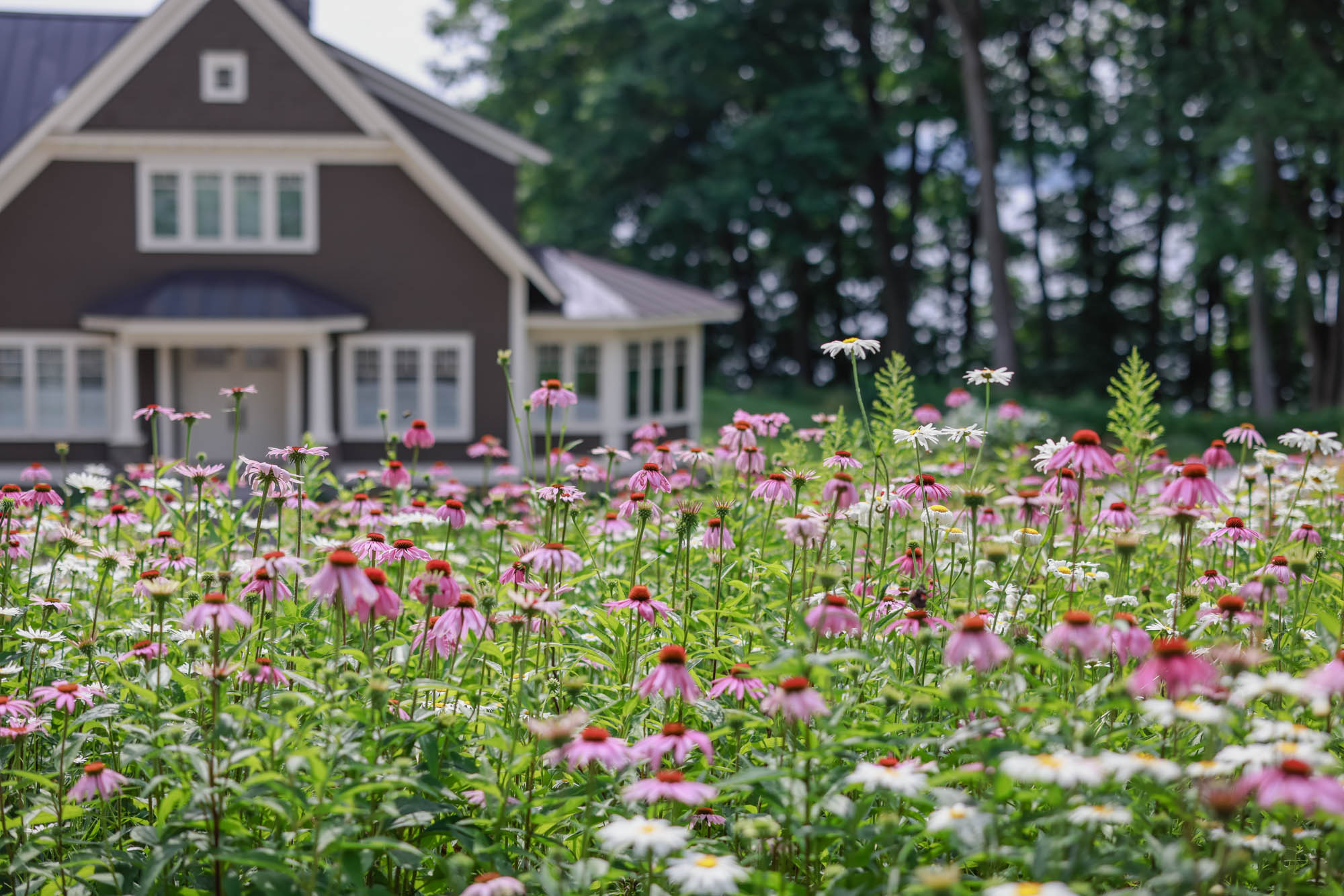
Established perennial wildflower meadow in Vermont, demonstrating how long-lived species create sustained bloom, increasing diversity, and reliable performance over time.
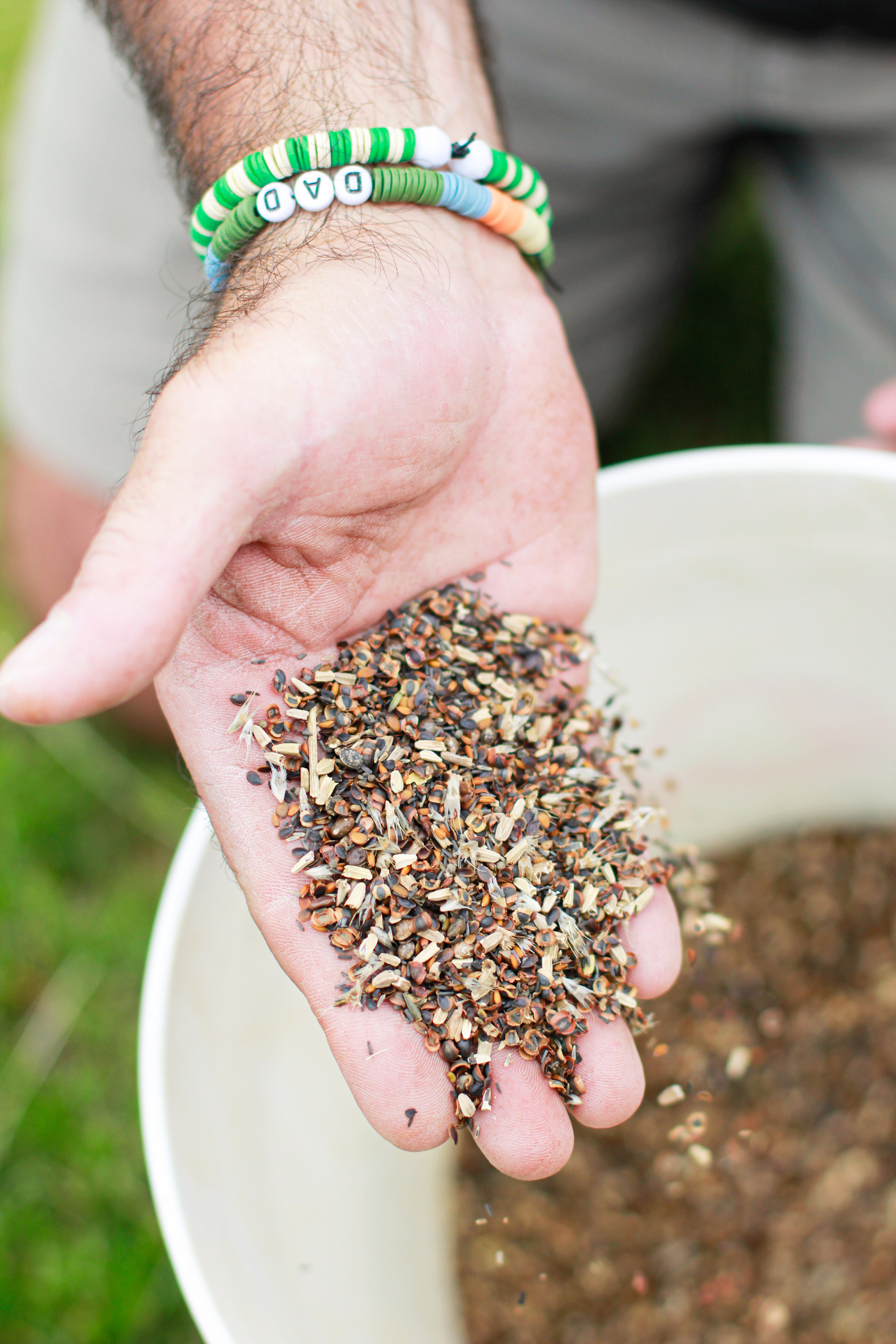
Close-up of a hand holding a wildflower seed mix composed of 100% pure seed, demonstrating the density, diversity, and absence of inert filler that supports more reliable germination and planting success.
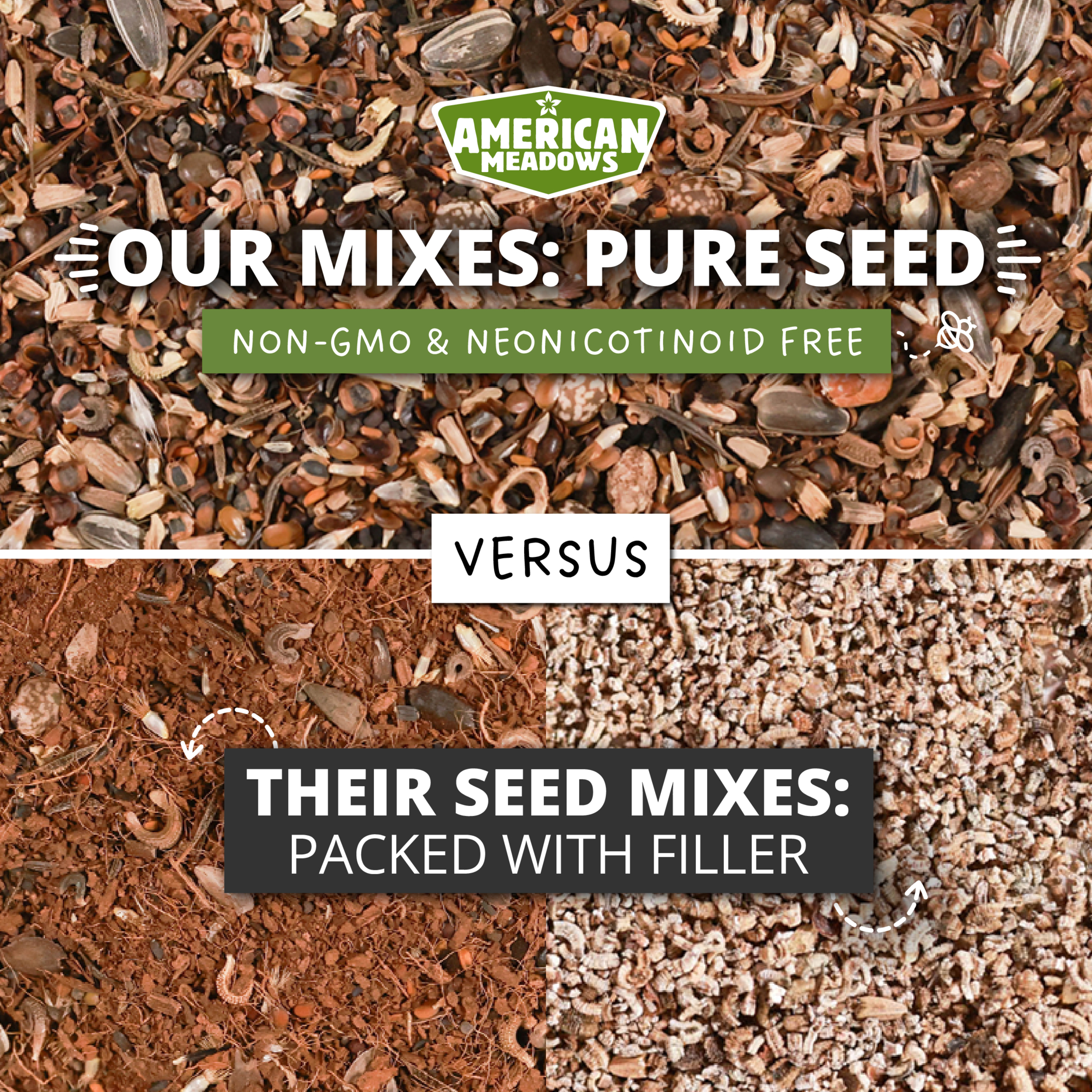
Side-by-side comparison of wildflower seed mixes highlighting American Meadows 100% pure seed (top) versus two mixes with high levels of inert filler, which can significantly reduce the amount of viable seed per package.

Six wildflower seed species with distinct sizes and structures, demonstrating the diversity and precision involved in designing balanced, high-performance seed mixes.
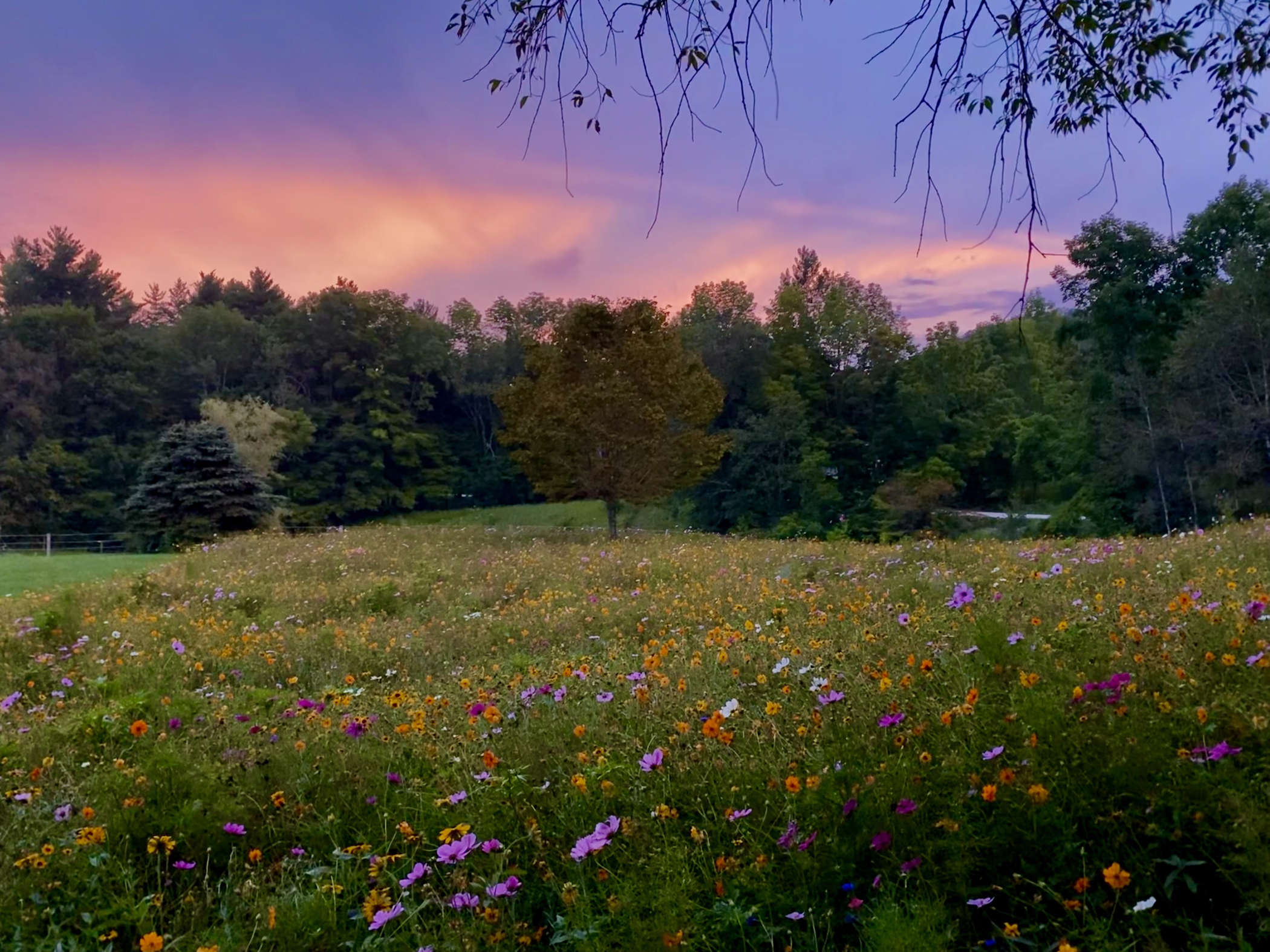
Diverse wildflower meadow in full bloom at sunset, illustrating how a thoughtfully designed mix of species creates season-long color, ecological value, and naturalized beauty.
A closer look at how species selection, regional design, and seed purity influence wildflower planting success across seasons and growing conditions.
American Meadows, a company with more than 40 years of experience in wildflower seeds, has developed and refined a structured system for wildflower seed mix design that centers on regional performance, species transparency, seed purity, and ecological diversity. This approach reflects both horticultural expertise and evolving consumer expectations around sustainability, reliability, and informed purchasing. This approach aligns with broader meadowscaping principles, which emphasize naturalized planting, biodiversity, and reduced maintenance.
DESIGNING MIXES FOR IMMEDIATE IMPACT AND LONG-TERM PERFORMANCE
At American Meadows, wildflower seed mixes are formulated with an intentional balance of annuals, biennials, and perennials—an approach designed to address a common challenge for new wildflower growers: most perennial species take one to two seasons to establish before producing blooms.
To bridge that gap, fast-growing annual wildflowers are incorporated to germinate and flower quickly, providing first-year color. At the same time, longer-lived perennials develop root systems and establish themselves for future seasons. Biennials contribute additional bloom in the second year, creating a multi-season progression.
This formulation approach reflects both horticultural insight and observed customer preferences. Early on, American Meadows founder Ray Allen recognized that while customers were drawn to perennial favorites such as coneflowers, lupines, and daisies, they also wanted immediate visual impact. By combining those perennials with fast-growing annuals like cosmos, zinnias, sunflowers, and poppies, these mixes delivered both instant gratification and long-term performance—quickly becoming some of the most popular offerings in the company’s catalog. It was a simple idea—but it changed how customers experienced wildflower planting. These early mixes also stood apart for their high species counts and 100% pure seed composition, offering significantly more variety and viable seed than many products available at the time.
Over time, this blended strategy has proven to offer additional ecological and functional benefits. Early-blooming annuals can provide important nectar sources for pollinators at the start of the season, while also helping to suppress weed and grass competition as slower-establishing perennials take hold. Together, these elements create plantings that deliver continuous color—from late spring through fall—and increase diversity and resilience over time.
“Most of our wildflower mixes are intentionally designed to combine annuals and perennials—giving you a strong burst of color in the first growing season, while setting the stage for even more robust bloom in the years that follow,” said Mike “The Seed Man” Lizotte, co-owner of American Meadows, seed expert, and award-winning author.
SPECIES TRANSPARENCY AS A FOUNDATIONAL STANDARD
A defining element of the company’s approach is its commitment to listing all species included in each mix. In an industry where full disclosure is not always standard, this reflects a more transparent approach compared to common industry practices.
This level of transparency enables customers to:
• Review exact species composition
• Understand bloom timing and lifecycle progression
• Distinguish between native and introduced plants
• Compare products across the market based on measurable inputs
Species transparency is treated as a baseline requirement, aligning with broader Trust and Transparency standards.
SPECIES VARIETY AS A DESIGN STRATEGY
Beyond transparency, mix composition itself plays a critical role in performance. Species diversity is a central component of this approach, with some regional blends including more than 25 species—significantly more than mixes with fewer varieties that may rely more heavily on a limited number of annuals.
More species simply increase the likelihood of success. With a broader range of plants in the mix, plantings are better equipped to adapt to variations in soil type, moisture levels, weather patterns, and site conditions—ensuring that more plants thrive, even if some species underperform.
Based on internal comparisons, these mixes can provide approximately one-third more variety at bloom time compared to some widely available alternatives.
This diversity supports:
• Extended bloom windows
• Greater visual variation
• Increased pollinator support
• More reliable performance across diverse and unpredictable growing conditions
BALANCING NATIVE AND INTRODUCED SPECIES
Beyond species count and transparency, plant origin also plays a role in mix design. Wildflower seed mixes are developed to support a range of planting goals, including offerings composed entirely of native species as well as mixes that strategically incorporate both native and introduced (non-invasive) plants.
This flexible approach allows seed mix composition to align with specific objectives such as habitat restoration, pollinator support, visual impact, and ease of establishment.
The company notes that:
• Native species play a critical role in supporting local ecosystems and biodiversity
• Fully native mixes are designed for ecological alignment and habitat-focused plantings
• Introduced species can contribute to extended bloom duration, adaptability, and overall diversity
In mixes that combine both native and introduced species, selection is based on performance factors such as bloom sequencing, site adaptability, and seasonal coverage.
Research and field observations suggest that diverse plantings with abundant nectar and pollen sources can increase pollinator populations and diversity, regardless of whether all species are strictly native. This diversity-driven approach supports continuous bloom from early through late season while improving planting resilience.
To support customer understanding, a Native Plant and Seed Glossary is provided to define key terms related to plant origin, lifecycle, and seed composition.
AN EXPERIENCE-BASED SYSTEM REFINED OVER TIME
This mix design system has been developed and refined over more than 40 years of working with wildflower species across diverse climates and customer environments.
The methodology continues to be informed by:
• Regional performance data
• Species adaptability and resilience
• Customer planting outcomes
This ongoing refinement reflects a broader shift in the industry toward greater transparency, regional specificity, and education in seed mix design. As consumer awareness grows, this system-based approach positions seed mix design as a critical factor in both planting success and ecological impact.
LEARN MORE:
How to grow wildflower seeds: https://www.americanmeadows.com/content/wildflowers/how-to/wildflower-seed-planting-instructions
What Regional Mix To Pick: https://www.americanmeadows.com/blogs/wildflower-seeds/how-to-choose-regional-wildflower-seed-mixes
Wildflower Learning Center: https://www.americanmeadows.com/blogs/wildflower-seeds
ABOUT MIKE LIZOTTE
Mike “The Seed Man” Lizotte is one of the country’s most respected wildflower authorities and a trusted voice for both home gardeners and industry professionals. He is the award-winning author of Mini Meadows: Grow A Little Patch Of Colorful Flowers Anywhere Around Your Yard, and his expertise has been featured on nationally syndicated gardening shows. In addition to his writing, Mike regularly speaks at conferences across the country, where he is sought after by fellow experts and enthusiasts alike.
Meet the Seed Man: https://www.americanmeadows.com/pages/meet-mike-the-seed-man-lizotte
ABOUT AMERICAN MEADOWS
American Meadows is Doing Good Through Gardening. Its innovative wildflower seed mixes, pre-planned perennial gardens, and lawn alternatives serve a growing audience of home gardeners and land stewards. With over 40 years of experience and more than 650,000 customers, American Meadows is a recognized authority in meadowscaping. Visit https://www.americanmeadows.com to learn more.
Tabar Gifford
American Meadows Inc
ltabar@americanmeadows.com
Visit us on social media:
Instagram
Facebook
TikTok
YouTube
Bluesky
LinkedIn
How to Grow Wildflowers Video Guide: American Meadows experts show simple steps for planting wildflower seeds and creating a thriving meadow.
Legal Disclaimer:
EIN Presswire provides this news content "as is" without warranty of any kind. We do not accept any responsibility or liability for the accuracy, content, images, videos, licenses, completeness, legality, or reliability of the information contained in this article. If you have any complaints or copyright issues related to this article, kindly contact the author above.
