

Village Green Advances Residential Memory Care Across Texas
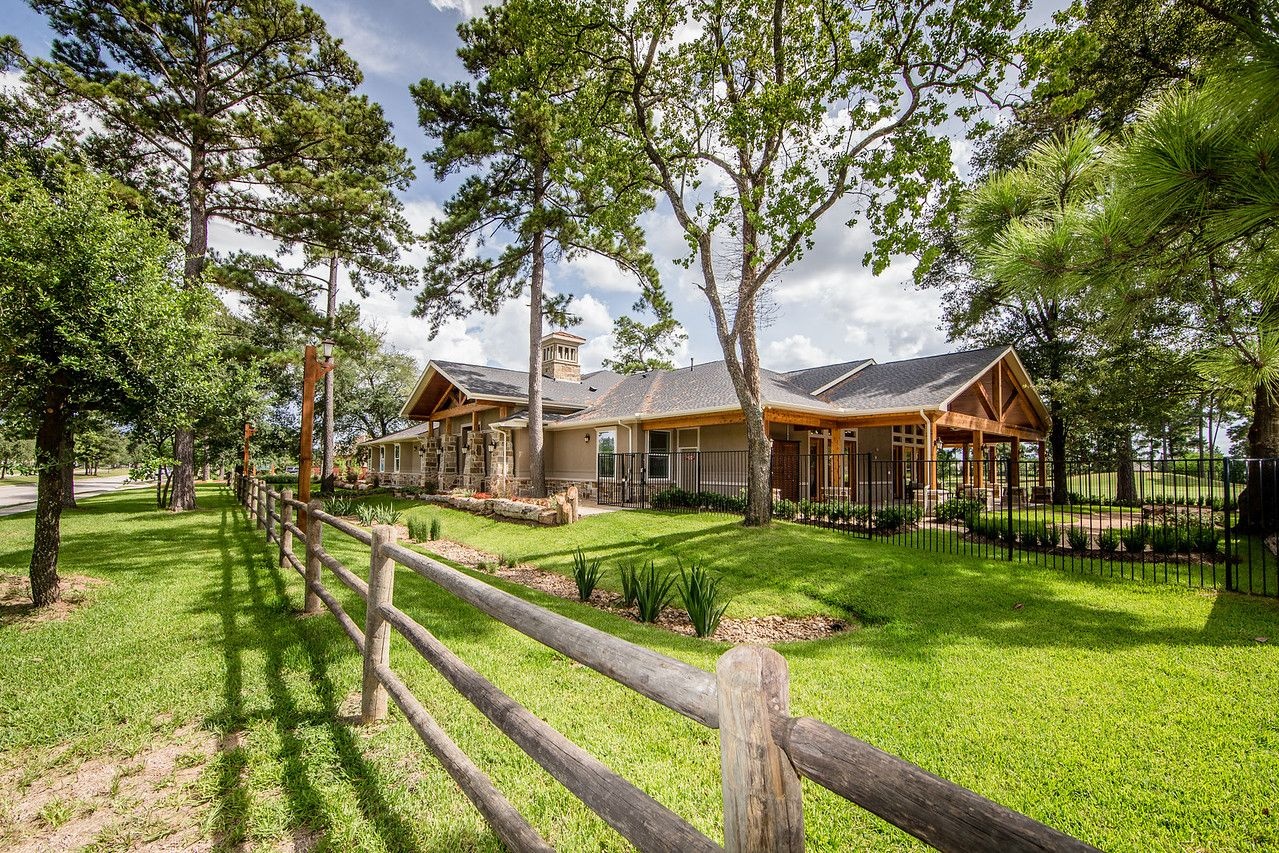
Alzheimer care homes like Cottage of Spring Branch
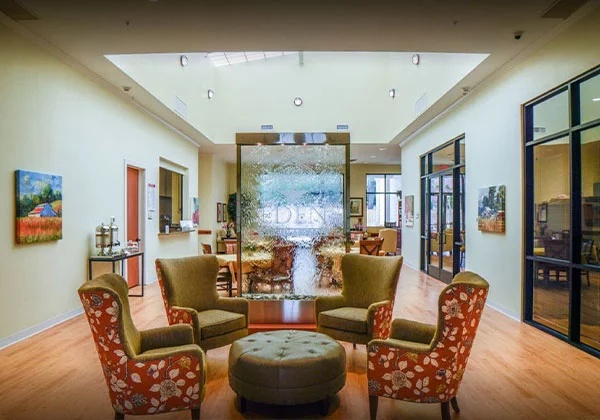
Memory care for seniors Cypress
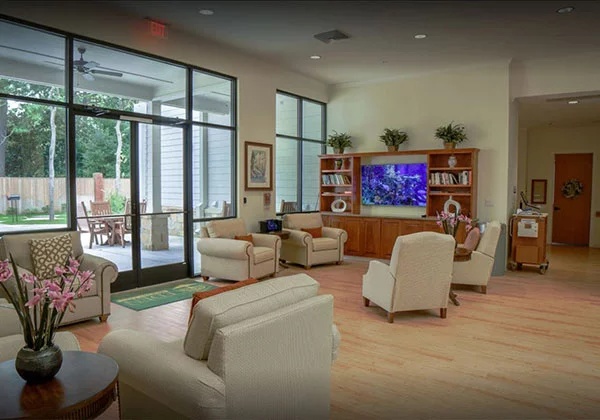
memory care for seniors in Cypress
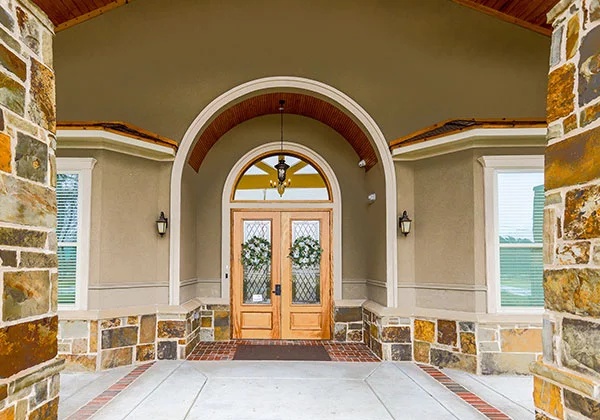
memory therapy services in The -Woodlands,
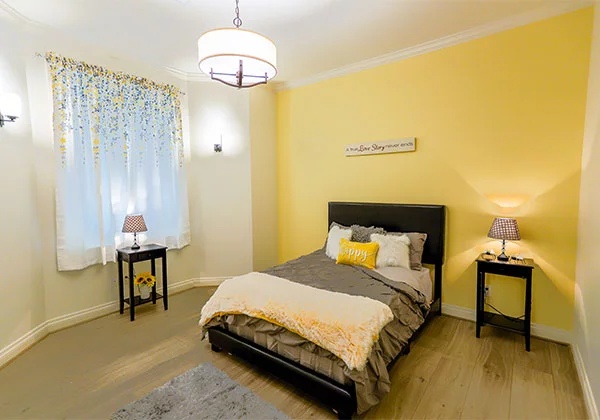
senior living- woodlands tx,,
Village Green Memory Care explores how specialized Alzheimer's care homes and memory therapy programs are improving dementia care for Texas seniors.
SPRING, THE WOODLANDS & CYPRESS, TX, UNITED STATES, July 13, 2026 /EINPresswire.com/ -- Village Green Memory Care Community has released an overview of evolving residential dementia care practices across Texas, highlighting developments in specialized care environments that support individuals living with Alzheimer's disease and related cognitive disorders. The overview explores Alzheimer care homes like Cottage of Spring Branch, the growing role of memory therapy services in The Woodlands, and the continued importance of memory care for seniors in Cypress as families increasingly seek structured residential support tailored to progressive memory loss.The growing prevalence of Alzheimer's disease has prompted greater attention to residential care models that combine individualized support, secure environments, therapeutic programming, and coordinated healthcare. Across Texas, providers continue refining dementia care practices to address changing resident needs while supporting long-term quality of life through structured, person-centered approaches.
Rising Demand Continues to Shape Residential Dementia Care
As the population of older adults continues to grow, healthcare providers and senior care professionals are observing increased demand for specialized memory care services. Earlier diagnosis, improved awareness, and longer life expectancy have encouraged many families to begin evaluating residential care options before safety concerns become urgent.
Rather than serving solely as long-term housing, today's memory care communities function as structured support environments that adapt to the progression of cognitive decline. This shift has influenced how providers design care programs, educate staff, and coordinate services with healthcare professionals and families.
Specialized Memory Care Extends Beyond Daily Assistance
Modern memory care communities recognize that dementia affects more than memory alone. Progressive cognitive conditions may influence communication, mobility, emotional well-being, nutrition, sleep, and the ability to perform everyday activities independently.
To address these evolving needs, residential memory care typically combines several interconnected services, including assistance with daily living, medication management, structured routines, therapeutic engagement, nutritional support, health monitoring, secure living environments, and family communication. Together, these elements create a supportive setting that promotes consistency while responding to changing care requirements.
Among these specialized residential settings, Alzheimer care homes like Cottage of Spring Branch demonstrate how dedicated dementia care environments are organized around individualized care planning and structured daily routines. As one of the residential communities within the organization, Cottage of Spring Branch reflects a care model that emphasizes safety, therapeutic engagement, familiar surroundings, and personalized support throughout the progression of Alzheimer's disease.
Person-Centered Care Remains Central to Residential Support
Specialized dementia care increasingly focuses on the individual rather than the diagnosis alone. Care plans are developed according to each resident's medical history, cognitive abilities, mobility, communication style, behavioral patterns, and personal preferences. Regular reassessments allow caregivers to adjust support as conditions change over time.
This individualized approach extends throughout the daily routine. Residents are encouraged to participate in familiar activities whenever possible, maintain personal choices, and engage in meaningful social interaction. Consistency and familiarity remain important objectives because predictable routines may reduce anxiety while supporting comfort and confidence.
Environment Plays an Important Role in Memory Care
The design of residential memory care communities has become an important part of dementia support. Healthcare professionals increasingly recognize that thoughtfully planned environments may help reduce confusion while encouraging safe movement and independence.
Common design features include clearly identified living spaces, continuous walking paths, secure outdoor courtyards, simplified floor plans, comfortable gathering areas, consistent lighting, and secured entry systems. Rather than serving decorative purposes, these elements contribute to orientation and help residents navigate their surroundings more comfortably.
Memory Therapy Supports Cognitive Engagement
Growing interest in non-pharmacological interventions has increased attention on memory therapy services in The Woodlands and similar therapeutic approaches throughout Texas. These services complement residential care by encouraging participation, supporting emotional well-being, and helping residents remain connected with familiar experiences.
Memory therapy may include music, art, reminiscence discussions, gardening, sensory activities, reading groups, guided conversation, gentle physical activity, and cultural events. Programs are often personalized to reflect each resident's background, interests, and life experiences, encouraging meaningful participation rather than focusing solely on cognitive performance.
Rather than functioning independently, therapeutic activities are integrated into daily routines to support overall well-being alongside medical and personal care.
Memory Care for Seniors in Cypress Reflects Broader Trends
Discussions surrounding memory care for seniors in Cypress illustrate broader developments occurring throughout residential dementia care. Communities increasingly emphasize structured daily schedules, smaller activity groups, and individualized engagement designed to promote familiarity and reduce unnecessary stress.
Predictable meal times, therapeutic activities, medication schedules, opportunities for exercise, and regular social interaction help establish routines that many individuals living with dementia find reassuring. These practices reflect continuing efforts to create residential environments that balance supervision with opportunities for meaningful daily participation.
Supporting Independence Through Individualized Care
Although Alzheimer's disease gradually affects a person's ability to perform everyday activities, preserving independence remains an important objective within residential memory care. Caregivers encourage residents to participate in daily routines according to their individual abilities while providing assistance only when needed. Simple strategies such as verbal reminders, step-by-step guidance, familiar routines, and allowing additional time for tasks help residents maintain confidence and dignity.
Communication is equally important throughout dementia care. Staff members are trained to use clear language, maintain eye contact, minimize distractions, and provide reassurance during conversations. These approaches acknowledge the communication challenges associated with cognitive decline while helping residents remain engaged with caregivers, family members, and fellow residents.
Safety and Professional Care Coordination
Residential memory care communities are designed to provide safe environments without unnecessarily restricting daily life. Safety measures extend beyond secured entrances and include medication management, emergency preparedness, mobility monitoring, infection prevention, and continuous observation of changing health conditions.
Supporting these efforts requires collaboration among caregivers, physicians, therapists, pharmacists, and other healthcare professionals. Coordinated communication allows care plans to be updated as residents' needs evolve while reducing gaps between residential support and medical care. This interdisciplinary approach reflects the growing understanding that Alzheimer's disease affects multiple aspects of health and requires comprehensive planning rather than isolated interventions.
Staff Training and Family Involvement Strengthen Care
Delivering specialized dementia care requires ongoing education for caregiving teams. Training commonly focuses on Alzheimer's disease progression, communication strategies, behavioral support, emergency procedures, and person-centered caregiving techniques. Continuous professional development enables staff to recognize subtle changes in residents' health and adjust care approaches accordingly.
Families also remain active participants throughout the care journey. Regular care conferences, health updates, and collaborative planning encourage open communication between caregivers and relatives. Family members are often invited to share residents' personal histories, interests, routines, and preferences, helping caregivers create more familiar and individualized daily experiences. Educational resources further assist families in understanding dementia progression and preparing for future care decisions.
Nutrition, Wellness, and Therapeutic Living
Nutrition and overall wellness remain essential components of residential dementia care. Communities typically provide balanced meals within consistent dining schedules that encourage routine while accommodating individual dietary requirements. Staff also monitor hydration, appetite, and eating habits, recognizing that changes in nutrition may signal evolving health needs.
Daily wellness extends beyond meals. Gentle physical activity, outdoor access when appropriate, social engagement, and therapeutic recreation contribute to overall quality of life. Residential communities may also incorporate supportive technologies such as electronic care documentation, medication management systems, and emergency response tools to enhance coordination while maintaining the central role of personal caregiving.
Planning Residential Care Before Urgent Needs Arise
Healthcare professionals increasingly encourage families to begin evaluating residential memory care before an immediate crisis occurs. Early planning allows time to compare care options, understand available services, discuss financial considerations, and involve individuals living with dementia in the decision-making process whenever possible.
Factors commonly considered include cognitive function, physical health, home safety, caregiver responsibilities, medical recommendations, supervision needs, and opportunities for social interaction. Beginning these conversations early may help reduce stress while allowing smoother transitions into residential care when additional support becomes necessary.
Residential Dementia Care Continues to Advance
Residential dementia care across Texas continues to evolve in response to demographic changes, ongoing clinical research, and growing awareness of Alzheimer's disease. Providers are refining care models through individualized planning, therapeutic engagement, specialized staff education, environmental design, and stronger healthcare coordination.
Within this broader landscape, Alzheimer care homes like Cottage of Spring Branch demonstrate how specialized residential communities can provide structured support tailored to changing cognitive needs. Continued interest in memory therapy services in The Woodlands and memory care for seniors in Cypress further reflects the emphasis being placed on person-centered residential environments that combine safety, consistency, and meaningful daily engagement for older adults living with dementia.
About Village Green Memory Care Community
Village Green Memory Care Community is a Texas-based provider of residential memory care services for individuals living with Alzheimer's disease and other forms of dementia. The organization provides structured residential environments that emphasize individualized care planning, assistance with activities of daily living, therapeutic engagement, and continuous supervision appropriate to residents' cognitive needs. Care is delivered through dementia-focused support programs, secure living environments, and coordination with healthcare professionals while maintaining compliance with applicable state regulations governing residential memory care services.
Media Contact:
Village Green Memory Care Community
Phone: 281-208-5876
Email: info@villagegreenalzheimerscare.com
Website: https://villagegreenalzheimerscare.com/
Zahra Sabir
Village Green Alzheimers Care
+1 281-208-5876
info@villagegreenalzheimerscare.com
Visit us on social media:
LinkedIn
Instagram
Facebook
Legal Disclaimer:
EIN Presswire provides this news content "as is" without warranty of any kind. We do not accept any responsibility or liability for the accuracy, content, images, videos, licenses, completeness, legality, or reliability of the information contained in this article. If you have any complaints or copyright issues related to this article, kindly contact the author above.
