

Riverside Restaurants Face Frequent and Costly Sewer Backups Linked to Improper Used Cooking Oil Disposal Practices
Riverside Grease Company Logo
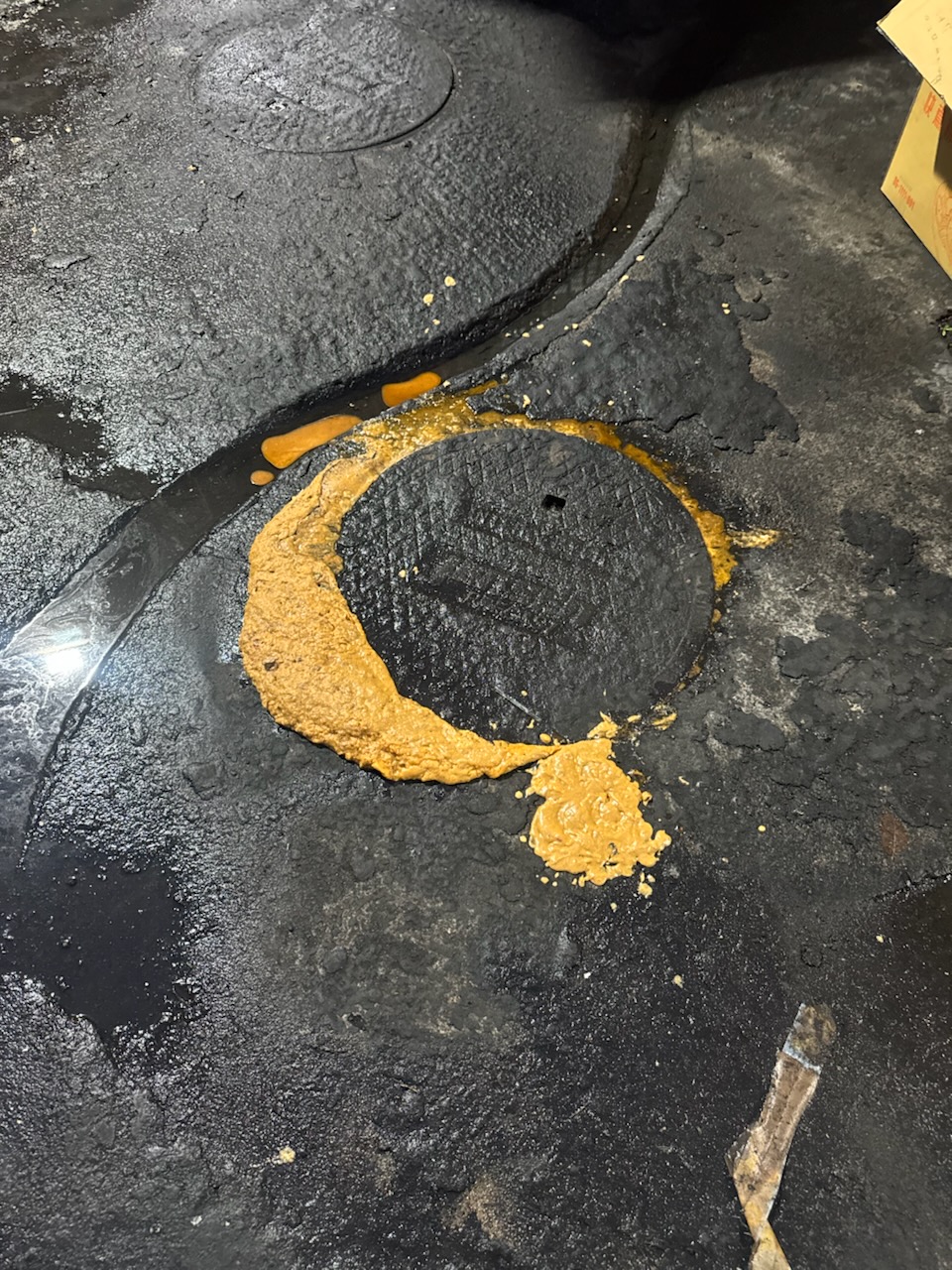
An overflowing grease interceptor creates serious operational and sanitation concerns for a Riverside County commercial kitchen.
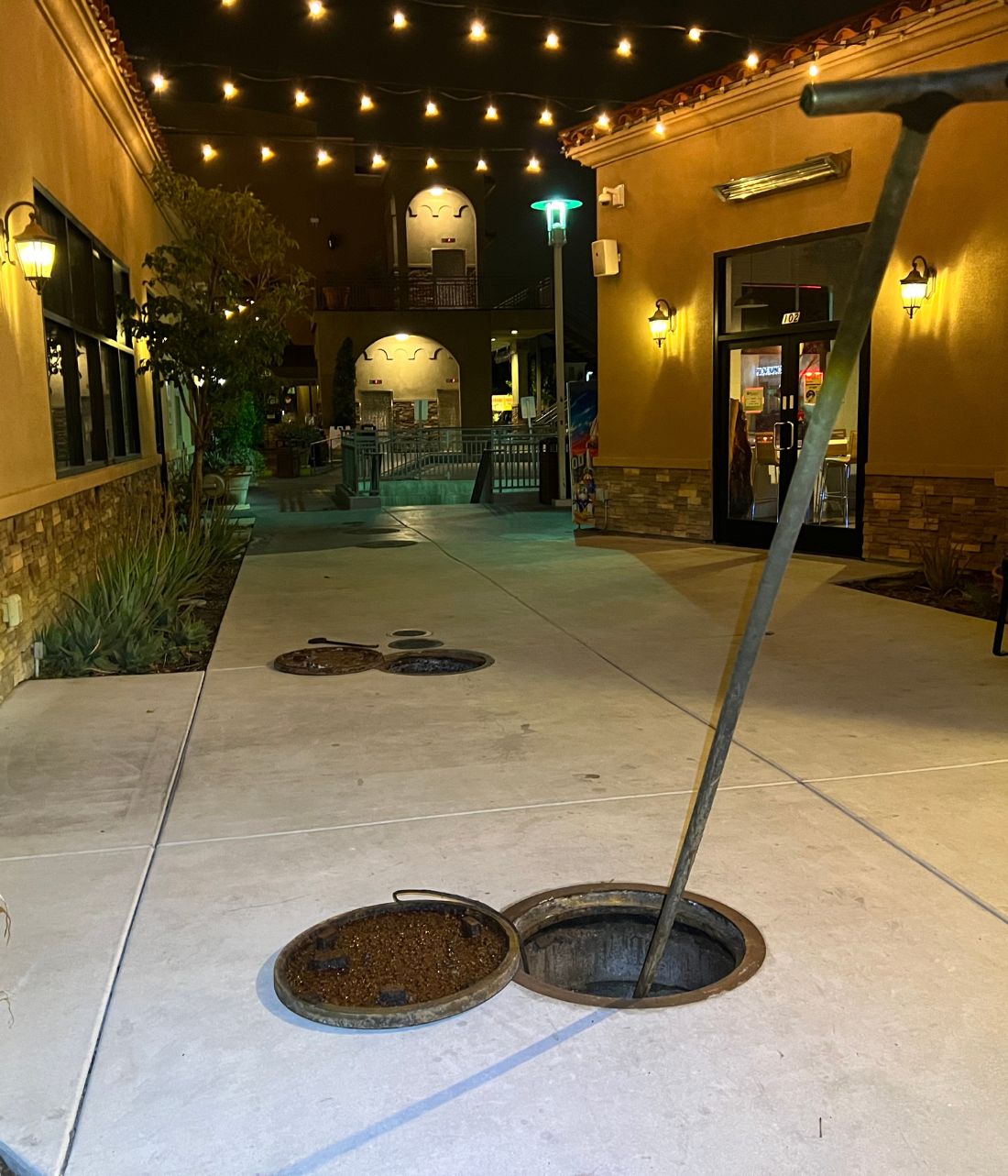
Riverside Grease Company performs professional grease interceptor pumping for a commercial kitchen.
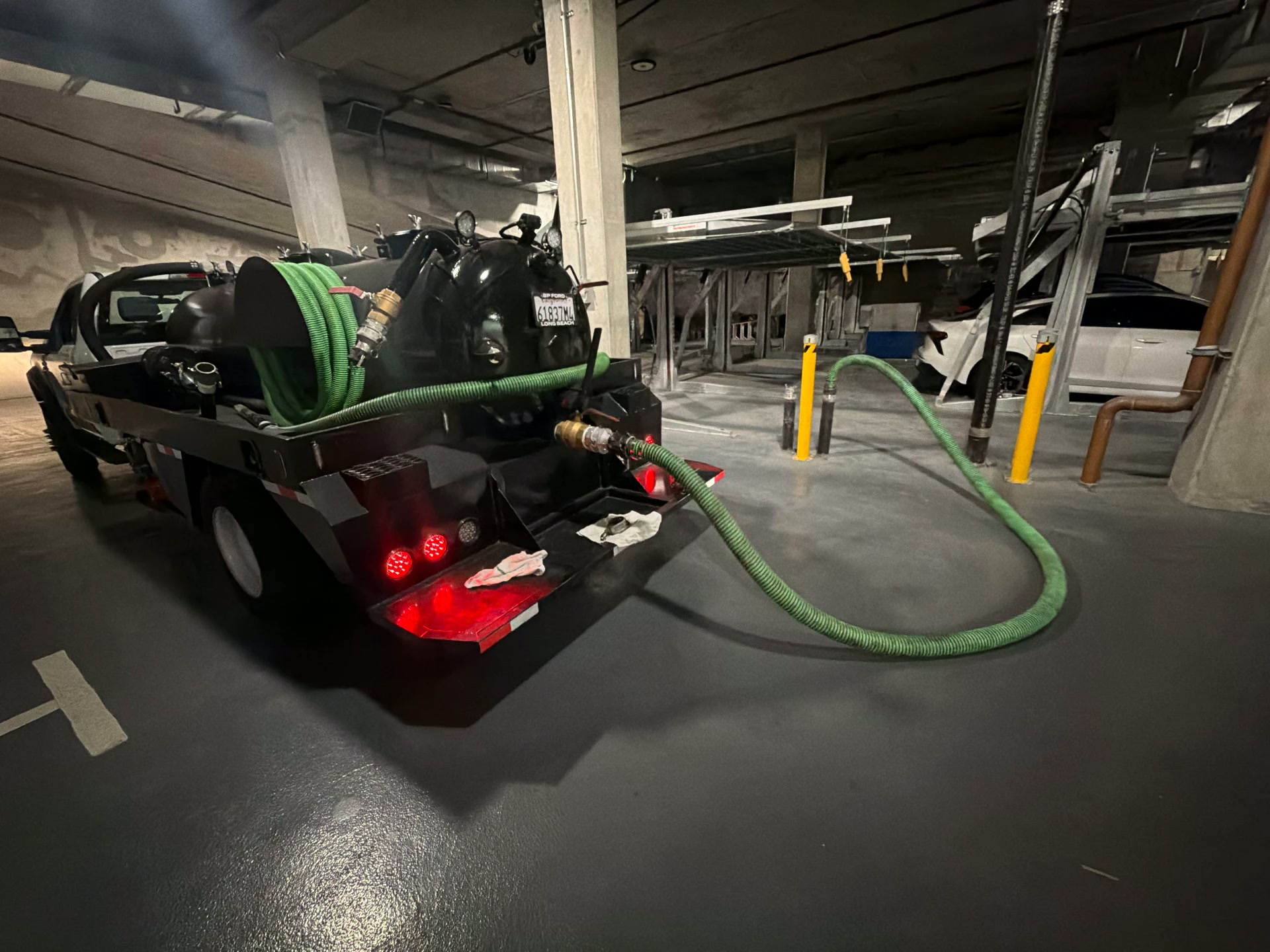
Riverside Grease Company service vehicle used for professional grease management and interceptor services.
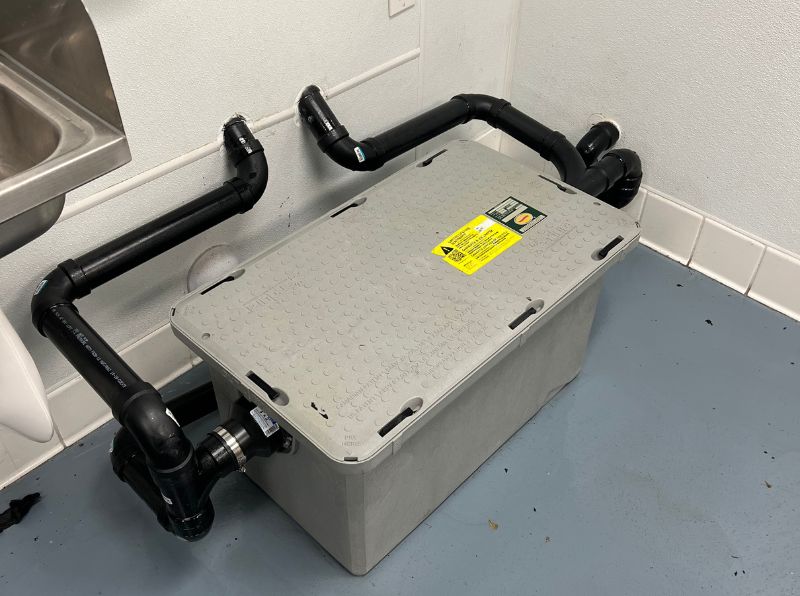
A grease trap installed beneath a commercial kitchen sink at a Riverside restaurant.
Riverside restaurants face costly sewer backups as improper grease disposal causes blockages, overflows, emergency repairs, and business disruptions.
The way used cooking oil leaves the commercial kitchen plays an important role in what happens further down the drainage system. When leftover oil is poured into sinks, floor drains, or other wastewater connections, it can enter the same lines that carry other kitchen wastewater. Grease washed from fryers, pans, cooking equipment, and dishes can add to the amount moving through those lines. Once inside the pipes, the oil can cool as it moves away from the warmer kitchen environment and begin sticking to the inner walls of the drainage lines. As more grease passes through, these layers can become thicker and trap food particles, dirt, and other debris moving through the wastewater. The buildup gradually reduces the space available for water to flow freely. At first, restaurants may notice slower drains or standing water. If the accumulation continues, the restricted pipe can eventually prevent wastewater from moving normally, causing it to back up toward the restaurant. In more severe cases, the pressure and restricted flow can contribute to drain overflows and recurring sewer backups, creating costly problems for businesses.
The cost of improper grease disposal can extend well beyond a restaurant’s plumbing when accumulated grease contributes to recurring sewer backups and overflows. The City of Riverside maintains more than 800 miles of sewer lines, 16,000 manholes, and 19 pump stations, requiring ongoing inspection, cleaning, hydro-jetting, and repairs to keep wastewater flowing. When grease-related blockages occur, the city may need additional crews, equipment, and emergency work to locate and clear affected lines, increasing maintenance demands on the public sewer system. Restaurants can face even more immediate consequences when wastewater backs up into kitchens or overflows onto surrounding areas, including emergency plumbing costs, cleanup expenses, property damage, lost operating time, and disruption to food service. Riverside also requires restaurants to properly manage fats, oils, and grease and maintain required grease recovery devices. Failure to comply can result in inspections, corrective measures, and enforcement under local regulations, while businesses dealing with overflows may also be responsible for cleanup and related response costs.
Local grease management service providers in Riverside are also seeing the consequences when restaurant grease enters drainage systems improperly. Riverside Grease Company works with commercial kitchens in the area and has witnessed how grease buildup are developing into recurring drain backups, sewer blockages, and overflowing grease traps. Each of these incidents can be particularly disruptive for restaurants because a drainage problem can quickly move from a minor warning sign to an emergency that affects kitchen operations. Slow drains, repeated backups, standing wastewater, and overflowing grease traps can all indicate that grease and other material are accumulating somewhere within the system. “Too many restaurants wait until a backup or overflow happens before addressing grease buildup, when regular collection and proper disposal could help prevent these costly disruptions,” said a representative of Riverside Grease Company. According to grease experts, recurring backups should not simply be treated as isolated plumbing incidents. When the same restaurant experiences repeated drainage problems, continued grease entering the system may be part of the underlying issue.
Experts recommend that restaurants and other food businesses in Riverside take a consistent approach to grease management rather than waiting for a sewer backup or overflow to occur. Grease traps and interceptors should be cleaned and inspected regularly based on the restaurant’s volume and equipment, with both compartments of larger interceptors properly pumped instead of pushing accumulated waste back into the system. Restaurants should also avoid chemical additives designed to break down grease, as these products can allow fats and oils to move farther into downstream sewer lines rather than removing them from the waste stream. Used fryer oil and cooking grease should be kept separate from wastewater and placed in dedicated, covered, leak-proof containers for scheduled used cooking oil collection by an authorized hauler. Outdoor oil containers and grease bins should remain covered, secure, and positioned away from storm drains, with spills addressed promptly. Regular grease trap pumping is also important for keeping accumulated grease from restricting flow. Finally, restaurant employees should be trained on proper FOG handling, spill response, container use, and the importance of keeping cooking oil and grease out of sinks and floor drains.
Recurring sewer backups and overflows do not always begin with a major plumbing failure. In many cases, they can develop gradually as grease and cooking oil enter drainage lines and continue accumulating over time. Once wastewater flow becomes restricted, the resulting backup can disrupt kitchen operations, create sanitation concerns, require emergency cleanup, and leave businesses with unexpected repair and service costs. The same buildup can also increase the maintenance burden on the public sewer system. Preventing these incidents therefore requires attention before a blockage becomes an emergency. Restaurants that keep used cooking oil out of wastewater, maintain grease traps and interceptors, monitor drainage conditions, and train kitchen employees on proper grease handling can reduce the conditions that lead to recurring blockages. A consistent approach also helps businesses avoid the disruption and expense associated with emergency sewer work. With grease-related backups affecting both commercial operations and wastewater infrastructure, proper disposal remains an important part of keeping Riverside’s commercial kitchens functioning reliably.
Manager
Riverside Grease Company
webmaster@thegreasecompany.com
Legal Disclaimer:
EIN Presswire provides this news content "as is" without warranty of any kind. We do not accept any responsibility or liability for the accuracy, content, images, videos, licenses, completeness, legality, or reliability of the information contained in this article. If you have any complaints or copyright issues related to this article, kindly contact the author above.
